UNDERWEAR
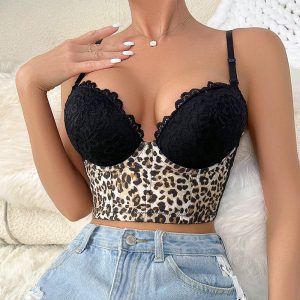
Red Lace Push Up Bra
Technical accuracy, compliance, stability.
-
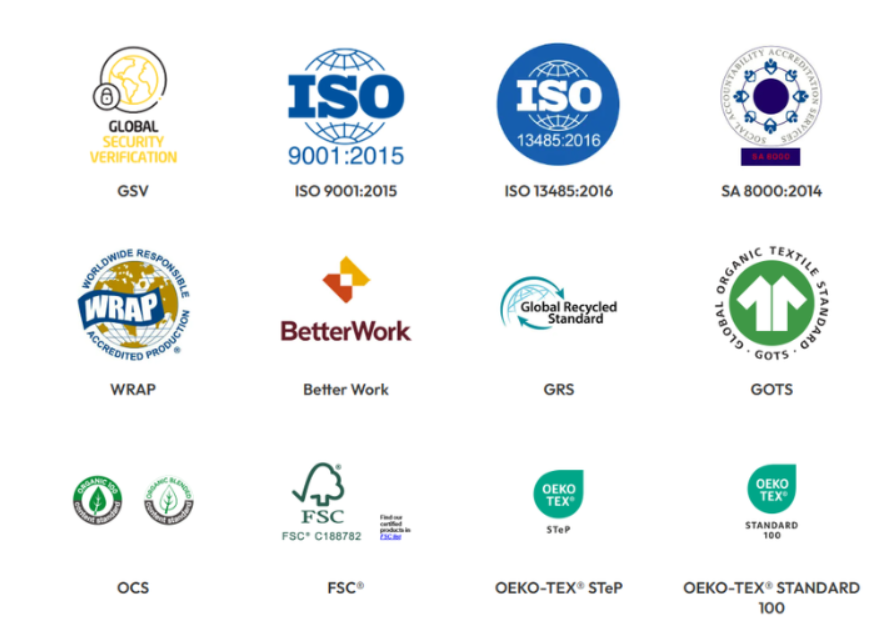
Certifications (OEKO-TEX, BSCI, ISO)
-
Precise size grading based on US/EU fit models
-
Fit consistency across production lines
-
Transparent lead time and QC process
We offer full EU/US size grading, pre-production fit approval, and strict QC checkpoints to ensure consistency across all bulk orders—ideal for sourcing offices managing multiple international clients.
Key Characteristics of Lace Bras
Lace bras represent one of the most profitable and stylistically diverse segments in the lingerie industry. Their performance depends on fabric composition, stretch levels, cup construction, and finishing techniques. Below are the essential attributes B2B clients evaluate when sourcing lace bras:
1. Lace Type & Composition
-
Warp-knit lace (most common): stable shape, ideal for molded or cut-and-sewn cups
-
Weft-knit lace: softer hand feel, used for bralettes & lightweight designs
-
Jacquard lace: rich texture, higher perceived value
-
Stretch lace: 5–20% spandex, suitable for flexible sizing
-
Rigid lace: ideal for supportive cups and underwire structures
Market Insight:
In premium EU markets (France, Germany, Italy), over 60% of fashion-led bras incorporate lace as the primary design material.
2. Cup Construction
-
Cut & Sewn Cup: Best for lace bras; allows precise shaping
-
Molded Lace Cup: Lace laminated onto foam cups for smooth contour
-
Unlined Lace Cup: Lightweight and sensual; popular among younger buyers
-
Wireless Lace Cups: Comfort-driven, corrected-fit demand rising fast
Data:
Cut-and-sewn lace bras show 23% lower return rates vs molded lace bras because the multi-panel structure improves fit.
3. Lining & Support Materials
-
Mesh lining for breathability
-
Side-support panels in full-figure lace bras
-
Power mesh wings for stability
-
Lace edge elastic (picot elastic) for comfort & aesthetics
4. Straps & Closures
-
Convertible straps (increasingly required for younger markets)
-
Wider straps for plus-size styles
-
2×3 hook-and-eye for A–C cups, 3×4 for D+ cups
5. Typical Market Positioning
-
Fashion-led daily wear
-
Romantic or sensual collections
-
Bridal collections with ivory/white lace
-
Premium boutique sets with embroidered lace
II. Common Western (US/EU) Lace Bra Sizing
Lace bras follow the same band-and-cup grading system as other bras, but lace elasticity requires more precise control.
Band Size Conversion
| US | EU/UK |
|---|---|
| 30 | 65 |
| 32 | 70 |
| 34 | 75 |
| 36 | 80 |
| 38 | 85 |
| 40 | 90 |
Cup Size Comparison
-
US: A → B → C → D → DD → DDD/F → G → H
-
EU/UK: A → B → C → D → DD → E → F → G → H → J
Industry Statistic:
The most purchased lace bra size range is 34B–36D, covering over 45% of U.S. retail volume.
Underwear Manufacturer
As a responsible manufacturer, Gyknit embraces eco-friendly practices. We use certified sustainable materials, optimize production to minimize waste, and uphold ethical labor standards—because beauty should never come at the planet’s expense.
From initial sketches to final packaging, every step reflects our team’s professionalism and passion.
-
Rated 0 out of 5$12.00Select options This product has multiple variants. The options may be chosen on the product page -
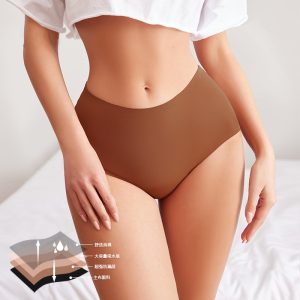
Rated 0 out of 5$3.50 – $12.00Price range: $3.50 through $12.00Select options This product has multiple variants. The options may be chosen on the product page -
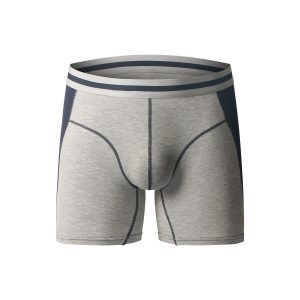
Rated 0 out of 5$9.00Select options This product has multiple variants. The options may be chosen on the product page
Our production process
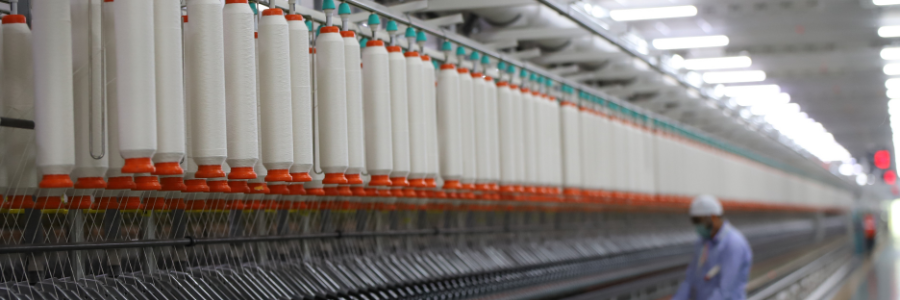
Yarn Raw Materials
Our manufacturing begins with premium yarn selection. We source high-quality cotton, modal, and spandex blends from certified suppliers, ensuring softness, durability, and elasticity. Each batch undergoes strict testing for fiber strength, colorfastness, and allergen-free compliance before production.
Advanced moisture-control systems maintain optimal storage conditions (25°C, 60% humidity) to preserve yarn integrity. Traceability codes track every lot from warehouse to knitting machines, guaranteeing consistent quality across all collections.
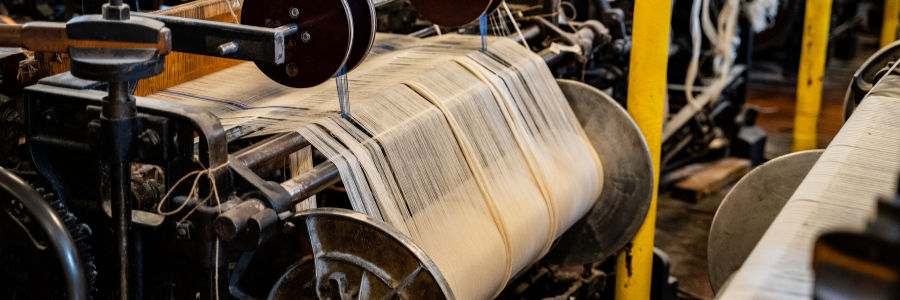
Fabric Knitting
Computerized knitting machines transform yarn into fabric with precision. Our German Stoll and Japanese Shima Seiki machines create seamless constructions, lace patterns, and compression fabrics at 1,200 courses per minute.
Specialized technicians monitor tension, stitch density, and width in real-time. Post-knitting, fabrics undergo pre-shrinking and antimicrobial treatments before being inspected for evenness and defect-free surfaces.
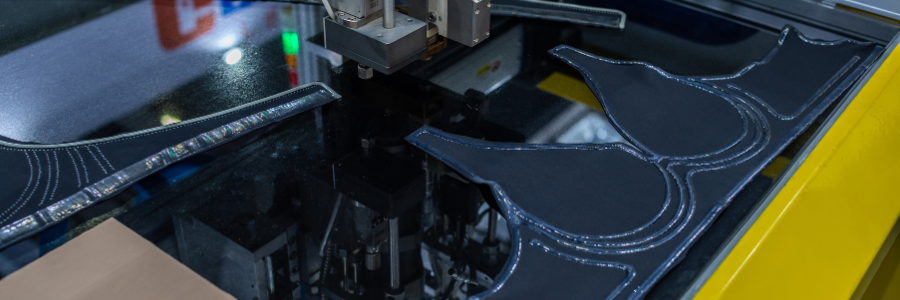
Pattern Engineering
3D prototyping software converts designs into production-ready patterns. Our CAD team adjusts 28+ measurements per style for perfect anatomical fits across sizes XS-5XL.
Laser-cut templates ensure 0.1mm cutting accuracy. Each approved pattern includes notches for seam alignment and stretch tolerance specifications to maintain shape integrity after 50+ washes.
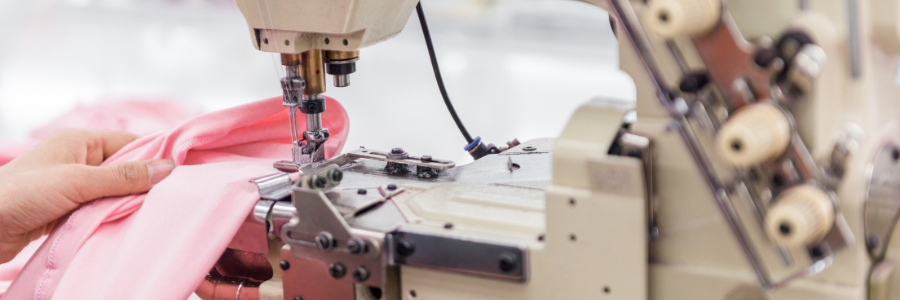
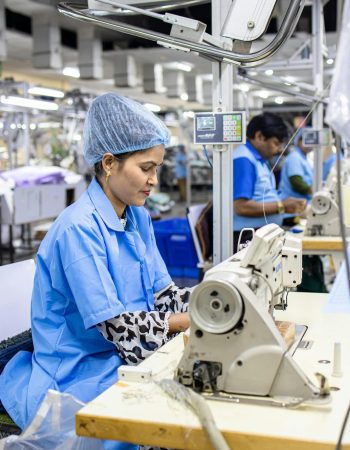
Sewing Assembly
Automated cutting machines layer fabrics with 99.9% material efficiency. Overlock and coverstitch machines (Juki MO-6700S) construct durable seams at 8,000 stitches per minute.
Skilled operators conduct in-process checks every 30 minutes. Reinforced stress points receive double needle bartacks, while seamless bonding machines create invisible joins for premium styles.
Quality Control
AQL 2.5 inspections verify stitching, sizing, and function. Randomly selected units undergo stretch recovery tests (ISO 9073) and color bleed assessments (AATCC 61).
Our lab simulates 50 wash cycles to validate shrinkage (<3%) and pilling resistance. Only products passing 12 checkpoints receive RFID tags for inventory tracking.
Warehousing & Logistics
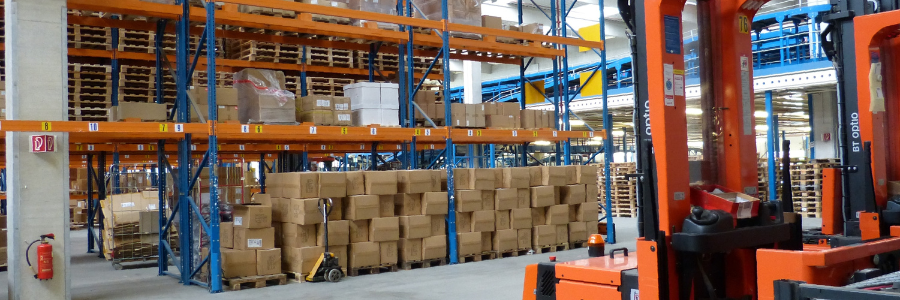
Climate-controlled warehouses (18-22°C) protect inventory with barcode-managed zones. Automated sorting systems process 5,000+ units/hour with 99.8% accuracy.
Global partnerships with DHL, FedEx, and Maersk ensure 3-5 day delivery to major markets. Real-time tracking integrates with ERP systems for complete supply chain visibility from factory to customer.
Frequently Asked Questions
What is your minimum order quantity (MOQ) for private label underwear?
- Our standard MOQ starts at 500 pieces per design, with flexible options to mix styles/colors.
- “Ideal for emerging brands testing the market”
How long does sampling take before bulk production?
7-10 days for standard samples
Express 5-day service available (+20% fee)
“fast sampling underwear manufacturer”
Do you offer sustainable fabric options?
Yes! Our OEKO-TEX® certified materials:
Organic cotton
Bamboo viscose (antibacterial & biodegradable)
Recycled polyester
“eco-friendly underwear factory”
Can you help with design and tech pack development?
Absolutely! Our free design support includes:
2D/3D tech pack creation
Material recommendations
Fit adjustment guidance
What quality control standards do you follow?
We enforce:
AQL 2.5 inspection (stricter than industry’s AQL 4.0)
3-stage quality checks (fabric, production, final audit)
Third-party inspections welcome
How do you handle shipping and logistics?
FOB/FCA terms (ship globally via DHL/FedEx)
Real-time tracking provide
Is it possible to return the product if it does not meet expectations?
If it is due to our quality problems, then we support returns encountering
How long will it take for the products I purchased to be shipped?
We will ship to you within 3-7 days.